Table of Contents
The world of digital marketing moves at a rapid pace and staying ahead of the curve is no longer optional for businesses. In 2026 social media is the primary way that people discover products learn new skills and connect with their favorite brands. If you want to grow your online presence you need to understand the latest social media marketing trends that are shaping the digital landscape.
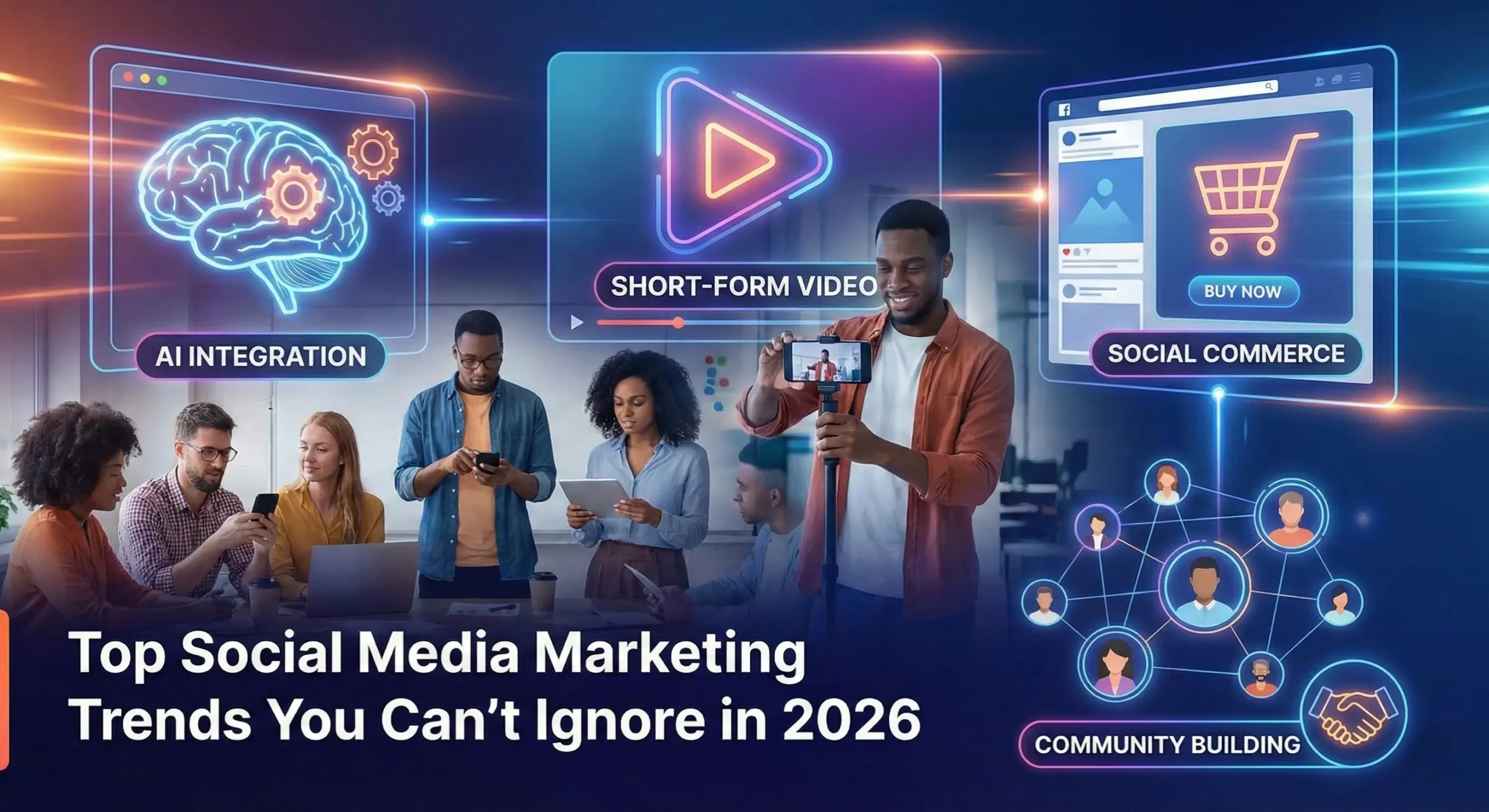
Social media marketing trends in 2026 are defined by three major shifts: the integration of artificial intelligence the rise of social commerce and a return to authentic community building. Brands that succeed today are those that prioritize human connection while using advanced technology to scale their efforts. This guide will walk you through the essential strategies you need to implement to stay competitive and reach your target audience effectively.
Artificial Intelligence Becomes the Production Baseline
Artificial intelligence is no longer just a buzzword used by tech companies. It has become a fundamental part of how social media content is created and distributed. In 2026 AI is used to handle the repetitive tasks that used to take marketers hours to complete.
Predictive Social Analytics and Strategy
One of the most significant changes is the move from reactive to predictive marketing. In the past marketers would post content and then look at the data to see how it performed. Today AI tools can analyze historical data and current cultural shifts to predict which topics will go viral before they even start trending.
This allows businesses to create content that is perfectly timed for their audience. By using predictive analytics you can determine the exact hour to post and the specific tone of voice that will resonate with your followers. This data-driven approach removes the guesswork from social media management and ensures a higher return on investment for every post you share.
Hyper-Personalization at Scale
Personalization used to mean putting a customer name in an email. Now it means delivering a completely unique social media experience to every user. AI algorithms are now sophisticated enough to show different versions of the same ad or post to different audience segments based on their specific interests and behaviors.
For example a clothing brand might show a short-form video of a raincoat to a user living in a rainy city while showing a summer dress to a user in a sunny climate. This level of hyper-personalization makes the user feel like the brand truly understands their needs. For small businesses this means using AI to segment your audience and create tailored messages that speak directly to their pain points.
The Continued Dominance of Short Form Video
Short form video remains the most powerful format on social media platforms like TikTok Instagram and YouTube. However the way people consume these videos has evolved. Viewers have shorter attention spans than ever before and they are becoming more selective about the content they choose to watch.
The Two Second Hook and Pattern Interruption
In 2026 the first two seconds of a video are more important than the entire rest of the content. If you do not capture a viewer attention immediately they will scroll past your post without a second thought. This is why pattern interruption has become a core strategy for video creators.
A pattern interrupt is something unexpected that stops the user from scrolling. It could be a bold visual a surprising statement or a fast-paced edit. Successful brands are moving away from long and polished introductions. Instead they dive straight into the value of the video. The goal is to solve a problem or provide entertainment in the first few moments to earn the right to the viewer time.
Serialized Content and Social Stories
While short videos are great for discovery brands are now using serialized content to build long-term engagement. Think of this as creating a mini-series for your social media channels. Instead of posting random videos businesses are creating recurring themes or shows that followers look forward to every week.
For instance a skincare brand might have a weekly series called Tuesday Treatments where they go behind the scenes to show how products are made. This creates a sense of familiarity and gives people a reason to come back to your profile. Serialized storytelling helps turn casual viewers into loyal subscribers who are invested in your brand narrative.
Social Commerce and Native Checkout
The line between social media and e-commerce has completely blurred. In 2026 social commerce is projected to be a multi-trillion dollar industry globally. Users no longer want to click a link in a bio and be redirected to an external website to make a purchase. They want to buy products directly within the app they are already using.
The Rise of Native Shopping Experiences
Platforms like TikTok Shop and Instagram Checkout have revolutionized the customer journey. By allowing users to save their payment information within the social app brands can reduce the friction of the buying process. This leads to higher conversion rates because there are fewer steps between seeing a product and owning it.
For a social media marketing expert the focus has shifted from driving traffic to a website to optimizing the social storefront. This includes creating high-quality product tags and ensuring that the shop interface is easy to navigate. Brands that ignore native checkout features risk losing customers who prefer the convenience of in-app shopping.
Livestream Selling and Real Time Engagement
Livestream shopping has moved from a niche trend to a mainstream marketing channel. During a live stream creators and brand representatives can demonstrate products in real time and answer questions from the audience. This creates an interactive shopping experience that mimics the feeling of being in a physical store.
The key to successful livestream selling is authenticity. Viewers enjoy seeing products used in real-world settings rather than in a studio. It also allows brands to use limited-time offers and flash sales to create a sense of urgency. In 2026 being able to host an engaging live event is a vital skill for any digital marketer.
Social Search SEO Replaces Traditional Discovery
One of the most overlooked social media marketing trends is the shift in how people search for information. Younger generations are increasingly using TikTok and Instagram as their primary search engines instead of Google. If someone wants to find a restaurant recommendation or a tutorial on how to use a software tool they go to social media first.
Keyword Optimization for Social Platforms
Because social media is now a search engine your content must be optimized for search. This means you need to use relevant keywords in your captions and video descriptions. Gone are the days when a single emoji was an acceptable caption. Today you need to write descriptive text that tells the algorithm exactly what your content is about.
To implement a strong social search SEO strategy you should research the terms your audience is searching for. Include these keywords naturally in your titles and on-screen text. This will help your content appear in the search results when a user looks for a specific topic giving your brand long-term visibility beyond the initial posting date.
Community First Strategy and Private Channels
As social media becomes more crowded and algorithmic feeds become noisier many users are retreating into smaller and more private online spaces. This has led to the rise of community-first marketing where the goal is to build deep relationships with a core group of fans rather than chasing massive reach.
Private Groups and Broadcast Channels
Many brands are now moving their most valuable conversations to private channels like Discord or WhatsApp groups. They are also using broadcast channels on platforms like Instagram to send direct updates to their most engaged followers. These spaces allow for more personal interaction and make your customers feel like part of an exclusive club.
In these private communities you can gather feedback and share early access to new products. This builds a level of brand loyalty that is difficult to achieve through public posts alone. The focus in 2026 is on quality over quantity. A small and highly engaged community is often more valuable than a million passive followers.
Employee Advocacy as a Trust Signal
People trust other people more than they trust brands. This is why employee advocacy has become a major trend. When your team members share their experiences and expertise on social media it humanizes the business and builds trust with potential customers.
Encouraging your employees to build their own professional brands on platforms like LinkedIn can significantly extend your reach. It shows that your company is made up of real people who are passionate about what they do. This organic form of marketing is often more effective than paid ads because it comes from a place of genuine authority.
Common Mistakes in Modern Social Media Marketing
Even with the best tools many businesses fail because they stick to outdated strategies. One of the biggest mistakes is cross-posting the exact same content to every platform without making any changes. Each social media app has a different culture and audience. What works on LinkedIn will rarely work on TikTok.
Another common challenge is focusing too much on vanity metrics like follower counts. A large following does not always translate to sales or engagement. Many brands also make the mistake of over-producing their content. In 2026 being too polished can actually make a brand look untrustworthy. Audiences today prefer raw and relatable content that feels human.
Finally many marketers fail to engage with their audience. Social media is meant to be a two-way conversation. If you are only posting and not replying to comments or messages you are missing out on the most important part of the platform. Building a community requires active participation and listening to what your followers have to say.
Best Practices for Success
To succeed in this changing environment you should follow a few actionable tips. First prioritize a video-first strategy. If you are not creating video you are effectively invisible on most modern platforms. Use AI tools to help you edit and generate ideas but always keep the final creative decisions in human hands to ensure authenticity.
Second you must optimize your profiles for search. Treat your bio and your captions like SEO real estate. Use the keywords that your customers are likely to type into a search bar. This ensures that you are discoverable even when you are not actively running ads.
Third focus on building a community rather than just an audience. Interact with your followers and create spaces where they can talk to each other. Use micro-influencers who have smaller but highly loyal followings to help spread your message. These creators often have much higher engagement rates and provide better value for your marketing budget.
Final Thoughts on Social Media Marketing Trends
The world of social media is constantly changing but the core principle remains the same: human connection. While AI and social commerce are powerful tools they are only effective if they are used to enhance the relationship between a brand and its audience. As we move through 2026 the brands that will win are those that combine technical innovation with a human-first approach.
By staying updated on these social media marketing trends you can build a resilient strategy that drives real business results. Whether you are a small business owner or a marketing professional the key is to stay curious and be willing to experiment with new formats and technologies. The digital landscape is full of opportunities for those who are ready to adapt.