
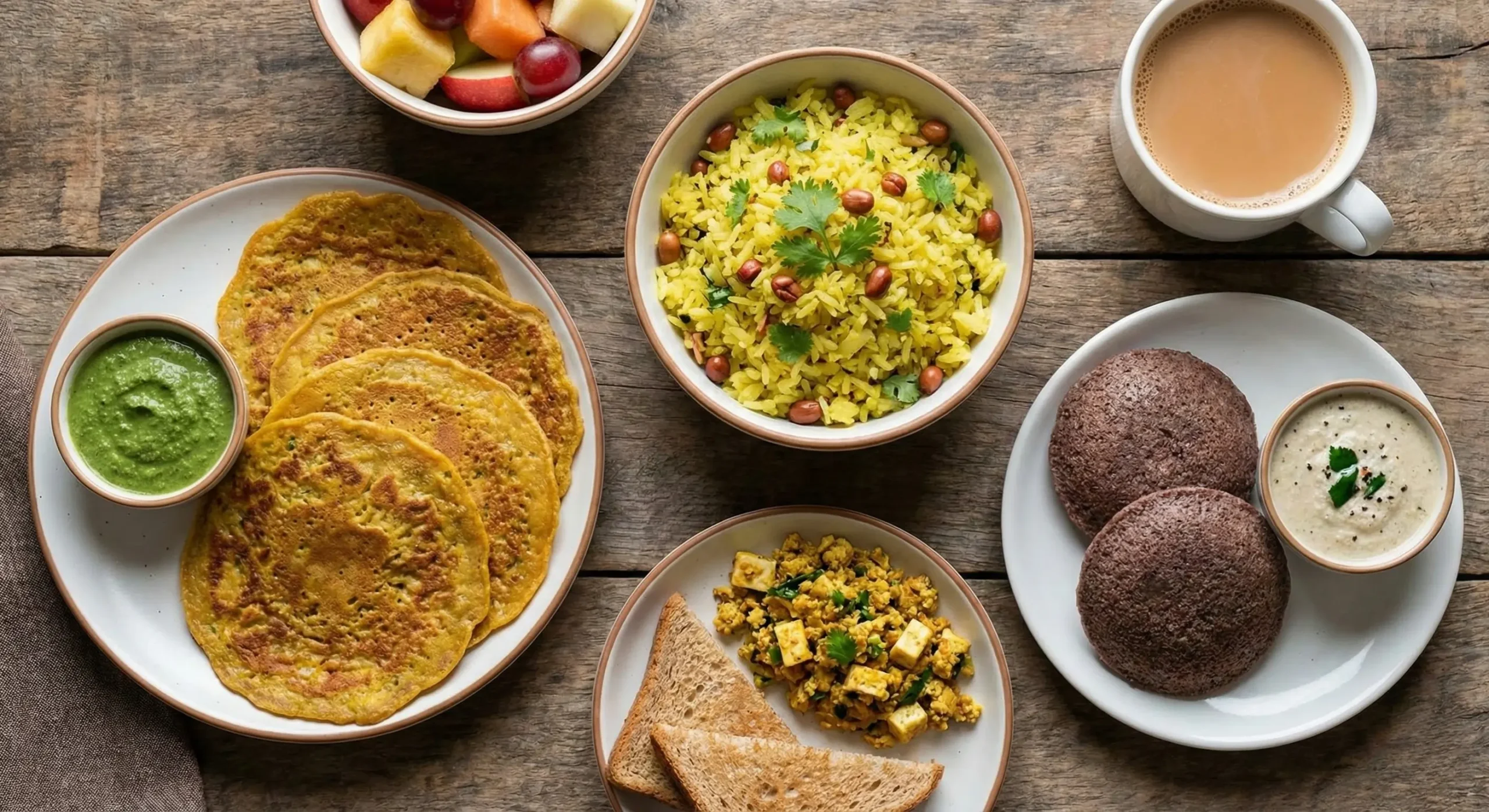
The Indian morning is usually a mix of pressure cooker sounds and a mad dash to find matching socks. In the middle of all this, breakfast is often either a sugary cereal or a fried paratha that makes you want to nap by 10 AM. We’ve all been there, staring into the fridge, wondering about our choices as we look at leftover dal.
But a good Indian breakfast isn’t just a myth or something you only see on social media. It’s a real, tasty, and traditional way to get your body going without that mid-morning slump. If you’re tired of feeling like a zombie before work, it’s time to change up your breakfast game with classic tastes and modern nutrition.
In this guide, we’ll look at some healthy options that still let you enjoy your spices while keeping your goals in mind. Whether you’re busy at work or just trying to get fitter, these ideas can help you nail your morning meal. Let’s jump into proteins, good carbs, and that Indian cooking trick: tempering spices.
Why What You Eat for Breakfast Matters for Your Day
Most people think breakfast is just about stopping their stomach from making noise during a meeting. But really, your first meal sets the tone for your hormones all day. If you eat a breakfast that’s mostly white flour and sugar, you’ll get a big insulin spike, which will then drop your blood sugar and have you reaching for coffee.
Indian food has lots of ingredients that give you long-lasting energy. By eating whole grains, beans, and veggies that are in season, you can make a meal that keeps you full for hours. The goal is to balance protein to keep you satisfied, good fats for your brain, and good carbs for energy.
Indian Breakfast Ideas Packed with Protein for Steady Energy
Protein is often missing in Indian vegetarian meals, especially at breakfast. We love our carbs, but adding protein helps with fixing up muscles and controlling how hungry you feel. You don’t need fancy protein powders when your kitchen already has lentils and beans.
Moong Dal Cheela is Your Friend
Moong Dal Cheela is like an Indian savory crepe, but way better because it’s full of plant-based protein. Made from soaked and ground moong lentils, these pancakes are easy on your stomach but still filling.
To make this even better, add some grated paneer or tofu to the center of the cheela along with some chopped green chilies and ginger. You don’t need to let it sit, so it’s great for those mornings when you forgot to plan ahead.
Paneer Bhurji: Scrambled Goodness
If you want a fast, protein-filled meal that isn’t eggs, Paneer Bhurji is perfect. You just crumble some cottage cheese and cook it with onions, tomatoes, and turmeric. It’s creamy and full of flavour, and goes great with whole-grain toast or roti.
If you’re watching your calories, use just a bit of oil or ghee. The paneer already has enough fats to bring out the spice flavors. Adding some peas or bell peppers can make the meal bigger without adding too many calories.
Fiber-Rich Indian Food for Good Digestion
Fiber is the secret hero of the Indian breakfast. It helps your digestion, keeps your gut happy, and makes sure the sugar from your food enters your blood slowly. Traditional Indian grains are naturally full of fiber, as long as we don’t turn them into white flour.
Vegetable Oats Upma with a Kick
Upma is a classic, but using refined semolina (suji) can sometimes make your blood sugar spike. By using rolled oats or broken wheat (daliya) instead, you make it a fiber superstar. The trick to great Oats Upma is to toast the oats first so they don’t get sticky.
Add carrots, beans, peas, and lots of curry leaves. Curry leaves aren’t just for smell; they’re full of good stuff that helps manage your blood sugar. Squeeze some lemon at the end to help your body take in the iron from the veggies.
Ragi Idli and the Magic of Old Grains
Millets are coming back strong, and for good reason. Ragi, or finger millet, is super high in calcium and fiber. To make Ragi Idlis, mix ragi flour with your regular fermented urad dal batter. The result is a dark, healthy, and filling twist on the classic idli.
The fermenting makes the nutrients easier to absorb and adds good bacteria to your gut. Eat these with a mint and coriander chutney instead of the usual sugary coconut chutney to keep the meal light and fresh.
Great Regional Indian Breakfasts
India is huge, and every region has a secret breakfast recipe that’s actually good if you make it right. Steering clear of the fried street food and making these at home can make a big difference for your health.
Poha with Lots of Veggies
Poha is probably the most common breakfast in Central and Western India. It’s easy to digest and quick to make. But most people use too much rice and not enough veggies.
To make a healthy Poha, use red rice poha, which has more bran and fibre. Make sure you use about the same amount of veggies as poha. Adding roasted peanuts gives you good fats and a nice crunch. This meal doesn’t have much gluten and gives you steady energy all morning.
Sattu Paratha: The Protein Powerhouse of the East
Sattu (roasted gram flour) comes from Bihar and Jharkhand and is like the everyday person’s protein. Filling a whole wheat paratha with a spicy Sattu mix makes for a filling meal. Unlike a potato filling, Sattu has a low glycemic index and lots of protein compared to carbs.
Use a rolling pin gently and cook the paratha on a cast-iron pan with just a bit of ghee. The good carbs from the wheat and the protein from the roasted gram make this a great breakfast for anyone with a physical job.
Common Mistakes People Make with Indian Breakfasts
Even if you mean well, it’s easy to turn a good Indian breakfast into a bad one. Knowing these common problems will help you cook like a pro.
The first problem is eating too many carbs together. We often eat a potato paratha with white rice or white bread, which leads to an afternoon slump. Always pair your carbs with protein or good fats to balance the meal.
The second problem is the sugar in our morning drinks. That cup of chai or coffee often has two or three teaspoons of sugar. Over a week, that adds up to lots of empty calories. Starting to use stevia, jaggery in moderation, or just enjoying the natural flavors of the tea can make a big difference.
The third problem is eating too much. Just because Poha is good for you doesn’t mean you should eat a huge bowl of it. Use a regular breakfast plate and make sure half of it is veggies or yogurt.
Smart Tips for Busy Mornings
If a recipe takes too long to make, it won’t last. The secret to a good start is planning and shortcuts.
Chop your veggies on Sunday night. Having onions, chillies, and ginger ready in containers can save you time when you cook. You can also make batches of idli or dosa batter and keep them for a few days.
Always have some healthy emergency foods. Roasted makhana, boiled sprouts, or Greek yogurt can be put together in a meal in just a few minutes if you’re running late.
Staying hydrated is also important. Drink a glass of warm water before breakfast. This wakes up your digestion and stops you from overeating. We often confuse thirst with hunger in the morning.
Final Thoughts on Nailing the Indian Breakfast
Switching to a healthy Indian breakfast doesn’t mean giving up the tastes you grew up with. It’s about making smart changes. By choosing whole grains, eating more protein, and watching your oil and sugar, you can enjoy traditional meals and feel more energetic than ever.
Indian food is great because it’s so diverse and understands spices and nutrition. When you see your morning meal as a foundation for your day, you’ll feel better, have more focus, and be healthier overall. Start small, try one new recipe a week, and pay attention to how your body feels.
Your path to becoming a better version of yourself doesn’t begin at the gym; it begins at the kitchen counter, near the spices. Make your next breakfast count.