Table of Contents
By the time we reached the mid-2020s, the world had become an intricate web of high-speed connectivity and artificial intelligence. We optimized our calendars, automated our grocery lists, and delegated our basic reminders to digital assistants. Yet, a peculiar trend emerged in early 2026. Despite having every technological advantage at our fingertips, the most sophisticated wellness seekers began looking backward rather than forward. The cutting edge of self-care is no longer a new app; it is the reclamation of practices that our ancestors took for granted.
This shift toward ancestral health is not a rejection of progress, but a necessary recalibration. We have realized that while our software has updated rapidly, our biological hardware remains largely the same as it was thousands of years ago. 2026’s guide to self-care is defined by this intersection: using modern logic to validate and implement ancient intuition. Whether it is the resurgence of communal living or the biological necessity of sunlight, the old ways are proving to be the most resilient solutions for modern burnout.
The following guide explores why the global wellness community is trading silicon for soil and how you can integrate these timeless principles into a high-tech lifestyle. We are moving past the era of “biohacking” with expensive gadgets and entering an era of “biocompatibility,” where we align our daily habits with our evolutionary expectations.
The Great Recalibration: Why 2026 Favors the Ancient
The primary reason ancient wisdom is dominating the 2026 wellness landscape is the sheer exhaustion caused by the digital age. For years, we believed that more data equaled better health. We tracked every heartbeat, every step, and every minute of REM sleep. However, this hyper-quantification often led to more stress rather than less. We became spectators of our own health rather than active participants in it.
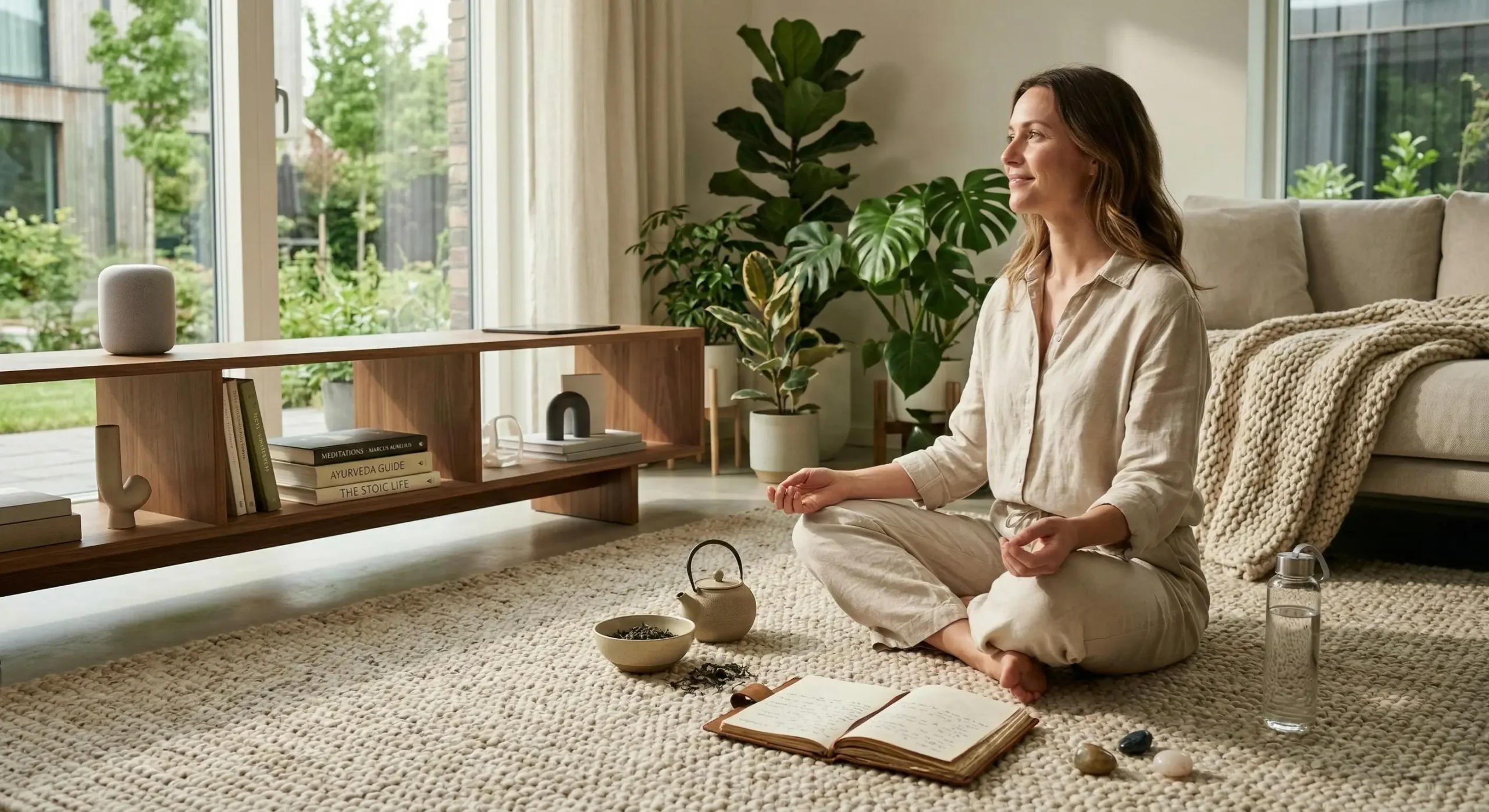
Ancient systems of health, such as Ayurveda, Traditional Chinese Medicine, and Stoic philosophy, emphasize the whole person rather than isolated metrics. They recognize that a human being is not a machine to be tuned, but an ecosystem to be balanced. In a world where we are constantly stimulated by blue light and notifications, the simplicity of these ancient frameworks offers a sense of psychological safety that technology simply cannot replicate.
The Rise of Circadian Biology
In 2026, one of the most prominent trends is the return to “sun-based living.” Our ancestors had no choice but to align their activity with the rising and setting of the sun. Modern science has finally caught up, proving that our master biological clock regulates everything from insulin sensitivity to neurotransmitter production. The self-care enthusiast of 2026 is less likely to buy a new supplement and more likely to stand outside at 7:00 AM to view low-angle sunlight, a practice that costs nothing but yields profound neurological benefits.
Community as Medicine
For centuries, survival depended on the tribe. The modern epidemic of loneliness has forced a return to communal self-care. We are seeing a rise in “social wellness” spaces—modern iterations of the Roman baths or the village square—where the primary goal is face-to-face connection. We have learned that the best thing you can do for your nervous system is not a solo meditation session, but a meaningful conversation with a trusted friend. Ancient wisdom taught us that we are social animals; 2026 is the year we finally started acting like it again.
Core Pillars of Ancestral Self-Care in a Modern World
Integrating ancient wisdom into a 2026 schedule requires a pragmatic approach. We cannot all move to a remote village, but we can adopt the principles that made those lifestyles so resilient. This is about finding the “minimum effective dose” of traditional practices that can survive a 40-hour work week and a digital social life.
Nutritional Ancestry and Seasonal Eating
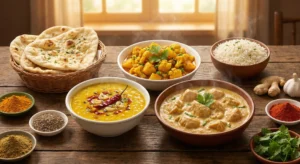
The modern supermarket has effectively deleted the concept of seasons. In 2026, the trend has shifted toward eating food that is geographically and seasonally appropriate. This is based on the ancient understanding that our bodies require different nutrients depending on the climate and time of year. Eating root vegetables in the winter and hydrating fruits in the summer is not just a culinary preference; it is a way to maintain metabolic flexibility.
- Focus on fermented foods: Ancient cultures across the globe used fermentation for preservation, unintentionally supporting their gut microbiomes.
- Nose-to-tail eating: Reducing waste and consuming nutrient-dense organ meats is seeing a resurgence among those looking for sustainable, high-impact nutrition.
- Intentional fasting: Many ancient traditions included periods of fasting. Today, we use this as a tool for cellular autophagy and metabolic health.
The Stoic Approach to Mental Resilience
While mindfulness meditation remains a staple, 2026 has seen a surge in Stoic practices. The ability to distinguish between what we can control and what we cannot is the ultimate self-care for a volatile world. Our ancestors lived in much more precarious environments, and their mental frameworks were designed for durability. Practising “voluntary discomfort”—such as cold showers or intentionally skipping a meal—builds the psychological muscle needed to handle the stresses of modern life.
Common Mistakes in Adopting Ancient Wisdom
As ancient practices become “trendy,” they are often stripped of their nuance and sold as oversimplified products. It is easy to fall into the trap of aesthetic wellness, where the appearance of being “zen” or “ancestral” becomes more important than the actual practice. To truly benefit from these traditions, one must avoid the commercialised shortcuts.
The “Modern Primitive” Fallacy
A common mistake is the belief that we must perfectly replicate the lives of our ancestors to be healthy. This often leads to unnecessary extremes, such as rejecting all modern medicine or attempting a diet that is socially isolating. The goal is integration, not imitation. We can appreciate the life-saving capabilities of 2026’s medical technology while still choosing to walk barefoot in the grass to ground our nervous systems. Balance is the ultimate ancient virtue.
Over-Complicating the Simple
There is a peculiar irony in people buying expensive, app-connected “smart” candles to simulate a fireplace or high-end supplements to replace the nutrients found in basic vegetables. Often, the most effective ancient self-care is the simplest. If a practice requires a significant financial investment or a complex set of instructions, it has likely been over-engineered. The original practitioners of these methods relied on what was available in nature; we should aim to do the same.
Ignoring Individual Bio-Individuality
Ancient systems like Ayurveda categorise people into different types (Doshas). A common mistake is following a generic “ancient” protocol that doesn’t fit your specific constitution. What is healing for one person might be aggravating for another. Self-care in 2026 is about using these ancient frameworks to listen to your own body, rather than following a standardised influencer-led routine.
Best Practices: Your 2026 Ancient Wisdom Checklist
Transitioning to a more ancestral-aligned lifestyle doesn’t have to happen overnight. In fact, most ancient traditions suggest that gradual, consistent changes are the most sustainable. Here is a practical checklist for bringing the old world into your new world.
Daily Ancestral Habits
- Morning Light Exposure: Spend at least 10 minutes outside within an hour of waking up. This sets your cortisol and melatonin cycles.
- Movement as a Way of Life: Instead of one hour of intense “exercise,” aim for frequent, low-level movement throughout the day. Take the stairs, walk while on calls, and sit on the floor occasionally to maintain hip mobility.
- Digital Sunset: Turn off all screens at least 90 minutes before bed. Use this time for reading, journaling, or conversation—activities that would have been common by candlelight centuries ago.
- Nose Breathing: One of the most overlooked ancient secrets is the power of the breath. Practising gratitude through slow, nasal breathing can instantly shift the body from a sympathetic (fight-or-flight) state to a parasympathetic (rest-and-digest) state.
Weekly and Monthly Integration
- The Weekly Digital Sabbath: Dedicate one day a week (or even half a day) to being completely offline. Reconnect with the physical world through gardening, hiking, or cooking.
- Seasonal Check-ins: At the start of each new season, evaluate your diet and activity levels. Are you resting more in the winter? Are you more active in the summer? Adjust your expectations of yourself based on the environment.
- Communal Dining: Make it a priority to eat at least one meal a week with others without any phones present. The act of sharing food is one of the oldest human bonding rituals.
Final Thoughts: The Future is Analogue
As we move further into 2026, the definition of “luxury” in self-care has changed. It is no longer about having the latest gadget; it is about having the time to cook a real meal, the space to sit in silence, and the health to move through the world with ease. Ancient wisdom provides the blueprint for these luxuries because it focuses on the fundamental requirements of being human.
The comeback of traditional practices is a sign that we are finally maturing in our relationship with technology. We are learning to use tools for their intended purpose while keeping our feet firmly planted in the natural world. Self-care is not a destination or a product you can buy; it is the daily practice of honouring your biological heritage in a modern context. By looking back, we are finally finding the path forward to a more balanced, resilient, and meaningful life.
Take one small step today: step outside, breathe through your nose, and look at the sky. Your ancestors would approve, and your future self will thank you.