
Table of Contents
The common misconception about travel is that your bank account needs to look like a phone number to see the world. Fortunately, India continues to be a sanctuary for the fiscally conscious traveller. In 2026, as global travel costs see a steady rise, the Indian subcontinent remains a rare pocket of the world where your currency carries genuine weight. Whether you are a student on a shoestring budget or a professional looking to disconnect without depleting your savings, the options are as diverse as the geography itself.
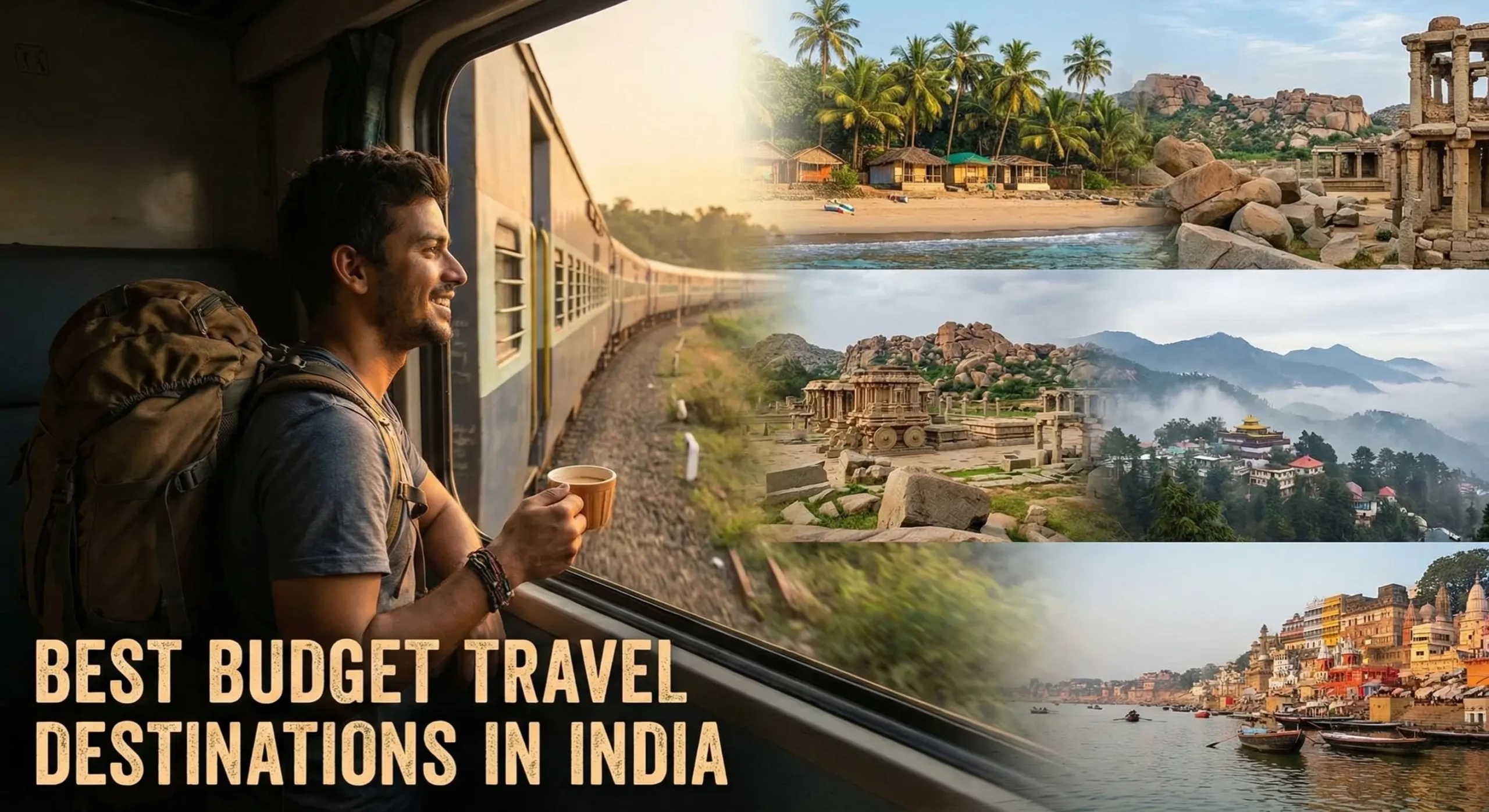
Finding the best budget travel destinations in India is not just about finding the cheapest bed; it is about finding the highest value. It is about trading high-end luxury for authentic experiences that often cost less than a single meal in a major metropolis. From the mist-covered peaks of the Himalayas to the golden shores of the Arabian Sea, this guide explores how to navigate the country’s most stunning locales while keeping your financial peace of mind intact.
Gokarna: The Quiet Alternative to Goa
For decades, Goa was the undisputed king of budget beach travel. However, as popularity spiked, so did the prices of beach shacks and scooters. Enter Gokarna. Located in Karnataka, this temple town offers a slower, more deliberate pace of life. It provides the same palm-fringed coastlines and bohemian energy as its northern neighbour but at a fraction of the cost. In 2026, it stands out as one of the best budget travel destinations in India for those who prefer the sound of waves over the thumping bass of a nightclub.
Affordable Beach Living
In Gokarna, the accommodation model is refreshingly simple. Most travellers opt for beach huts or homestays near Kudle Beach or Om Beach. These structures are often basic, built with bamboo and thatch, but they offer a million-dollar view of the sunset for the price of a coffee. Expect to pay significantly less here for a beachfront stay than you would for a landlocked hostel in many other coastal cities.
The Secret to Staying Cheap
- Walk the cliff trails: Instead of hiring a boat to move between beaches, take the scenic trekking path that connects Kudle, Om, Half Moon, and Paradise Beach. It is free exercise with breathtaking views.
- Eat at the temple town: While beach shacks are affordable, the local eateries in the main town offer traditional South Indian thalis that are incredibly filling and cost less than two dollars.
- Visit during the shoulder season: Aim for late September or early March to get the best accommodation rates before the peak winter crowd arrives.
Hampi: A Living Museum for History Enthusiasts
Stepping into Hampi is like walking into a history book that someone forgot to close. This UNESCO World Heritage site is a sprawling landscape of ancient ruins, giant boulders, and lush banana plantations. It is arguably the most visually striking location in South India, yet it remains remarkably accessible to budget travellers. Because the ruins are spread over a vast area, the primary “entertainment” here is simply exploring, which costs nothing more than your time and a bit of curiosity.
Navigating the Ruins on a Budget
The best way to see Hampi is on two wheels. You can rent a bicycle or a moped for the day for a very small fee. This allows you to bypass expensive guided tours and explore the Vitthala Temple or the Virupaksha Temple at your own pace. The “Hippie Island” side (Virupapur Gaddi), though slightly more commercialised recently, still offers budget-friendly guesthouses overlooking the rice paddies.
Budget Insights for Hampi
- The Coracle Crossing: Use the local round boats to cross the Tungabhadra River. It is a unique experience and much cheaper than private transport options.
- Free Sunsets: Climbing Matanga Hill for a sunrise or sunset view is a highlight of any Hampi trip and does not cost a single rupee.
- Group Stays: Hampi has a thriving hostel culture where a dorm bed in a reputable establishment can be secured for the price of a fast-food meal.
Rishikesh: Spirituality and Adventure for Less
Often referred to as the Yoga Capital of the World, Rishikesh manages a difficult balancing act. It is a haven for spiritual seekers and a playground for white-water rafting enthusiasts. For a budget traveler, this duality is a dream. You can spend your morning in a free meditation session by the Ganges and your afternoon trekking to hidden waterfalls in the forest. It remains a top contender for the best budget travel destinations in India because of its unique ashram culture.
The Ashram Experience
If you are willing to embrace a simpler lifestyle, staying in an ashram is the ultimate budget hack. Many ashrams offer clean, basic rooms and three vegetarian meals a day for a nominal donation. Not only does this save you money on hotels and restaurants, but it also provides a deeper immersion into the local culture. You do not have to be a spiritual guru to stay here; you just need to respect the rules of the house.
Managing Costs in the Foothills
- Stick to the local cafes: Areas like Tapovan are filled with “backpacker cafes” that offer diverse menus at reasonable prices.
- Public transport is key: Use the “Vikram” (shared auto-rickshaws) to travel between Rishikesh town and the Laxman Jhula area for a few rupees.
- Free Ceremonies: The evening Ganga Aarti at Triveni Ghat or Parmarth Niketan is a world-class cultural spectacle that is completely free to attend.
Varanasi: The Soul of India at a Discount
Varanasi is not for the faint of heart, but it is certainly for the light of wallet. As one of the oldest continuously inhabited cities in the world, it offers a raw, unfiltered look at Indian traditions. It is a place where life and death exist side by side on the banks of the sacred Ganges. For the budget traveller, Varanasi is a gift because its most profound experiences—walking the ghats and observing the rituals—cost absolutely nothing.
Living in the Heart of the Old City
The labyrinthine alleys of the Old City are packed with budget guesthouses. While the rooms might be small, they place you right in the center of the action. Staying in the Old City also means you are within walking distance of almost every major site, eliminating the need for transport costs. The street food here is legendary and arguably some of the cheapest in the country, from the famous malaiyo to the ubiquitous kachori sabzi.
How to Save in the Holy City
- Bargain for Boat Rides: A sunrise boat ride is a must. However, the first price quoted by boatmen is rarely the final one. Group up with other travellers at the hostel to split the cost.
- Walking Tours: Skip the paid guides. A simple walk from Assi Ghat to Manikarnika Ghat will show you more about the city than any scripted tour.
- Water Refills: Many hostels and cafes offer filtered water for a fraction of the cost of plastic bottles, which is also better for the environment.
McLeod Ganj: Himalayan Views on a Low Budget
Nestled in the Dhauladhar Range, McLeod Ganj is the home of the Dalai Lama and a vibrant Tibetan community. It offers the crisp mountain air and stunning vistas of the Himalayas without the high price tags associated with luxury resorts in Manali or Shimla. It is one of the best budget travel destinations in India for hikers and those interested in Buddhist philosophy. The cost of living here is surprisingly low, especially if you venture slightly away from the main square.
Trekking and Training
The Triund Trek is a popular activity that can be done independently. Unlike many Himalayan treks that require expensive guides and equipment, Triund is a well-marked trail. You can carry your own supplies or stay in basic tents at the top for a small fee. Additionally, many monasteries offer free or low-cost courses on meditation and philosophy, making it a great place for productive slow travel.
Actionable Budget Tips
- Eat at the Monasteries: Some monastic kitchens or nearby community centres offer simple, nutritious meals for a very low price.
- Stay in Dharamkot: Located just above McLeod Ganj, this village offers a quieter atmosphere and often better deals on long-term stays.
- Use the HRTC Buses: The Himachal Road Transport Corporation (HRTC) runs reliable and very cheap buses from Delhi and Chandigarh, saving you a fortune compared to private taxis.
Pondicherry: A Slice of France Without the Euros
If you want to experience colonial charm and cobblestone streets but your budget does not stretch to Europe, Pondicherry is your best bet. The French Quarter, with its mustard-colored buildings and bougainvillaea-draped walls, is a visual delight. While the White Town can be expensive, the rest of Pondicherry is incredibly budget-friendly, offering a mix of Tamil culture and French aesthetics.
The Auroville Factor
Many budget travellers spend time in Auroville, an experimental township nearby. While staying inside Auroville requires some planning, volunteering opportunities often provide free or subsidised accommodation and food in exchange for work. Even as a visitor, the cafes in and around Auroville offer high-quality, organic food at prices that are much lower than those in major Indian cities.
Strategic Savings in Pondicherry
- Rent a Bicycle: The town is flat and perfect for cycling. It is the most affordable and charming way to get around.
- Picnic at the Promenade: Instead of dining at expensive seafront restaurants, buy local snacks and sit on the rocks at the Promenade Beach to enjoy the evening breeze.
- Visit the Ashram: The Sri Aurobindo Ashram offers spiritual peace and has a library and various departments that are free to visit.
Common Mistakes When Budgeting for India
Even in a country as affordable as India, it is easy to overspend if you fall into certain traps. Many travellers mistake “cheap” for “value,” which can lead to frustrating experiences. Understanding the common pitfalls is the first step toward a successful budget trip.
Booking Last-Minute Transport
India has one of the largest railway networks in the world, and it is remarkably inexpensive. However, trains fill up weeks or even months in advance. If you wait until the last minute, you will be forced to book expensive flights or private taxis. Planning your long-distance travel ahead of time is the single most effective way to keep your costs down.
Eating Only in “Tourist” Restaurants
Many travellers are afraid of street food due to hygiene concerns. While caution is necessary, sticking exclusively to restaurants that have English menus and “Western” options will easily double your daily food budget. Look for places that are crowded with locals; the high turnover of food usually indicates freshness.
Overlooking Hidden Costs
Small expenses like bottled water, entrance fees for monuments, and temple donations can add up. For example, some monuments have significantly higher entry fees for foreigners. Budgeting for these “invisible” costs prevents you from running out of cash halfway through your journey.
Best Practices for Budget Travel in 2026
To truly master the art of the budget trip, you need to think like a local and plan like a strategist. Here are the actionable steps you can take to ensure your 2026 trip remains affordable and high-quality.
- Use Public Transport: Whenever possible, opt for the Indian Railways (Sleeper or 3AC class) and state-run buses. They are safe, reliable, and cost a fraction of private alternatives.
- Stay in Hostels and Homestays: The hostel scene in India has exploded in the last five years. Brands like Zostel or local boutique hostels provide clean, social environments for very little money.
- Carry a Reusable Water Bottle: Most hostels and hotels provide free filtered water (RO water). Refilling your bottle instead of buying plastic ones saves money and reduces waste.
- Travel Slow: The more you move, the more you spend. By spending a week in one place instead of three cities in six days, you reduce transport costs and often get discounts on accommodation.
- Learn Basic Bargaining: In local markets and for rickshaw rides, bargaining is part of the culture. Always agree on a price before you start a journey or consume a service.
Final Thoughts on Budget Travel in India
Travelling on a budget is not about deprivation; it is about prioritisation. When you choose one of the best budget travel destinations in India, you are opting for a more intimate connection with the land and its people. You are choosing the local train conversation over the silent taxi ride, and the bustling street market over the sanitised mall.
In 2026, the real luxury is the ability to travel for longer and see more. By applying these strategies and choosing your destinations wisely, you can turn a short vacation into a life-changing expedition. India is waiting to be explored, and it does not require a fortune to unlock its secrets—just a bit of planning and an adventurous spirit.
For more information on planning your journey and understanding the latest travel regulations, you can visit the official Incredible India portal for comprehensive resources and updates.