Table of Contents
The journey toward weight loss is often painted as a battle of willpower against the refrigerator. However, after years of analysing nutritional trends and metabolic data, it is clear that weight loss is less about eating less and more about eating better. The focus should shift from restriction to the strategic inclusion of foods that work with your biology rather than against it.
When we talk about the best foods to eat for weight loss, we are looking for items that provide high satiety, a high thermic effect, and nutrient density. These are foods that tell your brain you are full while providing the essential vitamins and minerals your body needs to maintain muscle mass and energy levels. This guide breaks down the science of what to put on your plate to see real, lasting change.
Understanding the concept of calorie density is the first step. By choosing foods that have a large volume but a low calorie count, you can physically fill your stomach without overshooting your daily energy needs. This approach moves away from the “dieting” mindset and toward a sustainable lifestyle that does not leave you feeling deprived by mid-afternoon.
The Science of Satiety and Weight Management
Not all calories are created equal when it comes to how they affect your hunger. A 200-calorie serving of jelly beans will leave you searching for more food within minutes, while 200 calories of chicken breast or boiled potatoes can keep you satisfied for hours. This is due to the Satiety Index, a measure of how effective a food is at fending off hunger.
Protein is the undisputed heavyweight champion of weight loss. It has the highest thermic effect of food (TEF), meaning your body burns more energy digesting protein than it does fats or carbohydrates. Additionally, protein influences the production of satiety hormones like GLP-1 and peptide YY, which signal to the brain that the meal is over.
Fibre plays a similarly critical role. Soluble fibre, found in oats and beans, forms a gel-like substance in the gut that slows down digestion. This prevents the rapid spikes and crashes in blood sugar that typically lead to cravings for processed sugars. By combining protein and fibre, you create a metabolic environment conducive to fat loss.
Lean Proteins: The Foundation of Fat Loss
If you want to protect your metabolism while losing weight, you must prioritise protein. When the body is in a calorie deficit, it is tempted to break down muscle tissue for energy. Eating enough protein signals the body to preserve muscle and burn stored fat instead.
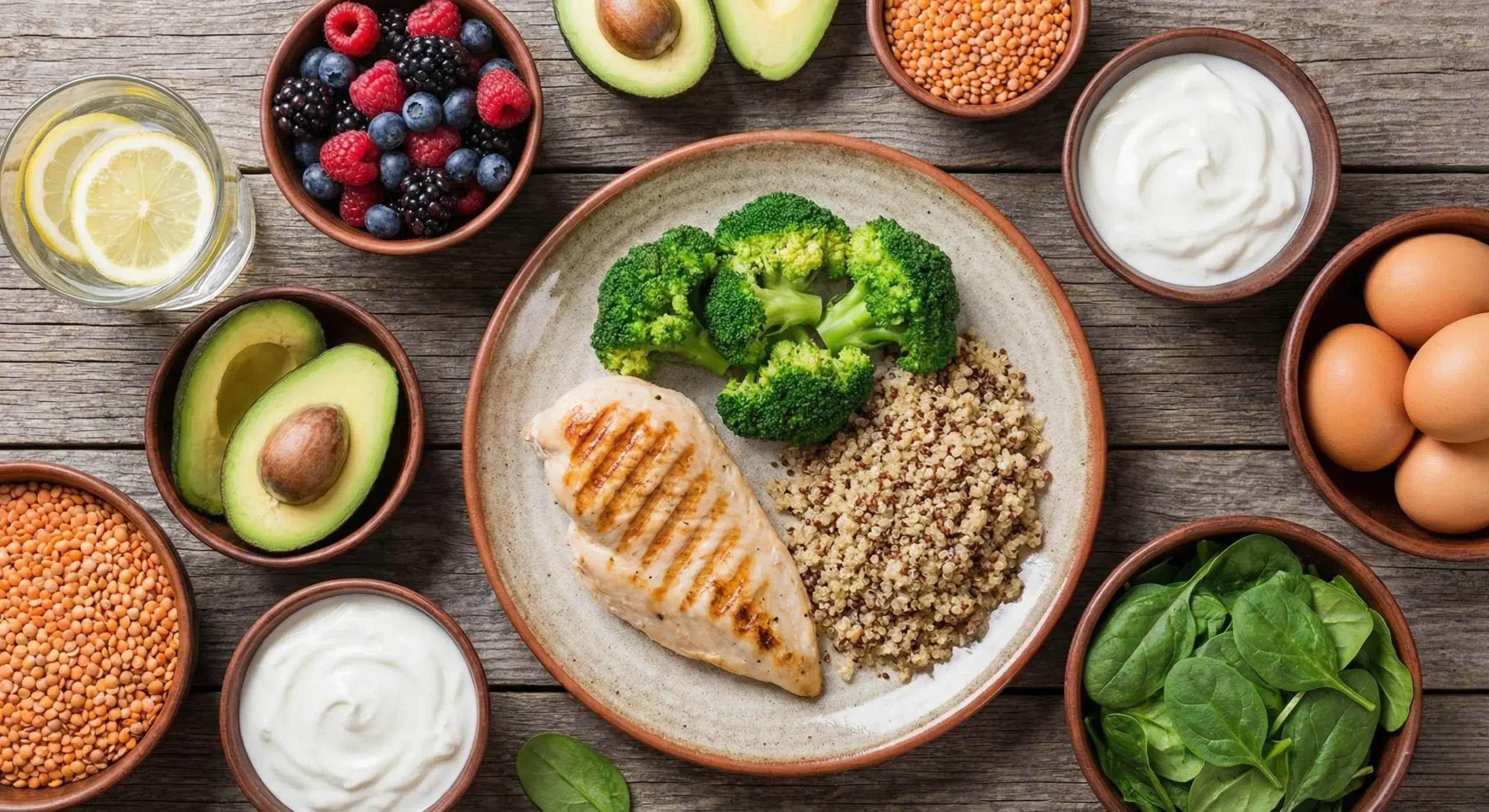
- Eggs: Once feared for their cholesterol, eggs are now recognised as a gold mine for weight loss. They are incredibly satiating and provide a complete amino acid profile.
- Chicken Breast and Lean Meats: These are pure protein sources with very little fat. They are versatile and provide the bulk needed to satisfy a hearty appetite.
- Greek Yoghurt: Opt for the plain, unsweetened variety. It contains twice the protein of regular yoghurt and provides probiotics that support a healthy gut microbiome.
- White Fish: Cod, tilapia, and flounder are extremely low in calories but very high in protein, making them perfect for high-volume eating.
The Role of Fibrous Vegetables
Vegetables are the “secret weapon” for anyone trying to lose weight without feeling hungry. Because they are mostly water and fibre, you can eat massive portions for very few calories. This is known as “volume eating,” and it is a key strategy for long-term success.
Cruciferous vegetables, such as broccoli, cauliflower, and Brussels sprouts, are particularly effective. They are not only high in fibre but also contain a surprising amount of protein compared to other vegetables. Leafy greens like spinach and kale allow you to add bulk to any meal, such as a large salad or a stir-fry, increasing the time it takes to eat and helping your brain register fullness.
Top Metabolism-Boosting Foods to Include
While no single food will miraculously melt fat away, certain foods can slightly increase your metabolic rate or improve how your body processes fat. These should be viewed as tools in your nutritional toolbox rather than magic pills.
Legumes, including lentils, black beans, and chickpeas, are often overlooked. They are unique because they are rich in both protein and fibre. They also contain resistant starch, a type of carbohydrate that escapes digestion in the small intestine and feeds the healthy bacteria in your gut, which has been linked to improved insulin sensitivity.
Berries are another essential addition. Blueberries, raspberries, and strawberries are lower in sugar than most fruits and are packed with antioxidants. Their high water and fibre content make them an excellent way to satisfy a sweet tooth without the calorie hit of processed desserts. Including them in a morning bowl of oatmeal or yoghurt adds flavour and texture while keeping the glycemic load low.
Healthy Fats for Long-Term Fullness
It may seem counterintuitive to eat fat to lose fat, but healthy fats are vital for hormone production and nutrient absorption. The key is portion control, as fats are more than twice as calorie-dense as protein or carbs.
Avocados are rich in monounsaturated oleic acid, the same type of fat found in olive oil. Despite being fatty, they contain a significant amount of water and fibre. Adding a few slices of avocado to a salad can make the meal much more satisfying, preventing the urge to snack later. Similarly, small portions of nuts like almonds or walnuts provide a satisfying crunch and a dose of healthy fats that can blunt the hunger response.
The Benefits of Whole Grains
Carbohydrates are not the enemy; the quality of the carbohydrate is what matters. Whole grains like quinoa, oats, and brown rice provide sustained energy. Unlike refined grains (white bread or pasta), whole grains still have the bran and germ, which contain the fibre and nutrients necessary for a healthy metabolism.
Quinoa, in particular, is an excellent choice because it is one of the few plant foods that contain all nine essential amino acids. This makes it a protein-rich grain that supports muscle maintenance. When preparing grains, remember that they expand when cooked; a small dry portion goes a long way in filling your bowl.
Common Mistakes in Choosing Weight Loss Foods
One of the most frequent errors people make is falling for “health halos.” These are foods that are marketed as healthy but are actually calorie bombs. A classic example is the commercially prepared smoothie. While it may contain fruit, it often lacks fibre and is loaded with liquid sugars that do not trigger the same fullness signals as solid food.
Another common mistake is over-relying on “low-fat” or “diet” labelled products. When manufacturers remove fat, they often add sugar or artificial thickeners to maintain flavour and texture. These additives can spike insulin levels and lead to increased hunger later. It is almost always better to eat a smaller portion of a whole, natural food than a larger portion of a highly processed “diet” version.
Liquid calories are a major hurdle. Even “healthy” drinks like orange juice or sweetened green teas can add hundreds of calories to your day without you noticing. Stick to water, black coffee, or unsweetened tea. For those who find plain water boring, infusing it with cucumber or lemon is a simple way to add flavour without the metabolic cost.
Finally, many people underestimate the calories in dressings and sauces. You can prepare a perfectly healthy meal of grilled chicken and steamed vegetables, only to double the calorie count with a heavy ranch dressing or a sugary barbecue sauce. Switching to vinegar, lemon juice, or mustard can save hundreds of calories a week.
Actionable Tips for Your Weekly Grocery List
To make weight loss sustainable, you need a plan that doesn’t require constant decision-making. Organising your grocery list around these categories ensures you always have the right ingredients on hand to build a fat-burning meal.
- Shop the Perimeter: Most whole, unprocessed foods are located on the outside edges of the grocery store. This is where you will find the fresh produce, meat, and dairy.
- Pre-cut Vegetables: If the barrier to eating healthy is the time it takes to prep, buy pre-washed and cut greens. The convenience is worth the extra cost if it keeps you from ordering takeout.
- Stock Your Freezer: Frozen vegetables and berries are just as nutritious as fresh ones and won’t go bad. They are perfect for quick stir-frys or smoothies.
- Read the Labels: If a food comes in a package, check the ingredients list. If sugar is one of the first three ingredients, put it back. Look for high fibre-to-carbohydrate ratios.
A simple rule of thumb is the Healthy Eating Plate method. Fill half your plate with non-starchy vegetables, one-quarter with lean protein, and one-quarter with whole grains or starchy vegetables. This automatically controls portions while ensuring you get the nutrients you need.
Best Practices for Sustainable Weight Loss
Success in weight loss is built on consistency, not perfection. If you focus on adding the best foods to eat for weight loss rather than just taking things away, the process becomes much more manageable. Here is a quick checklist for your daily routine:
- Start with Protein: Aim for 25–30 grams of protein at every meal, especially breakfast. This sets the tone for your blood sugar levels for the rest of the day.
- Hydrate Before You Eat: Sometimes thirst is masked as hunger. Drinking a glass of water 20 minutes before a meal can help you eat less.
- Eat Mindfully: Turn off the television and put away your phone. Focus on the texture and flavour of your food. This gives your gut hormones time to tell your brain you are full.
- Prioritise Sleep: Lack of sleep increases ghrelin (the hunger hormone) and decreases leptin (the fullness hormone). No amount of broccoli can fix a broken sleep schedule.
Remember that weight loss is a marathon, not a sprint. Your body needs time to adjust to new eating habits. By focusing on whole, nutrient-dense foods, you are not just losing weight; you are improving your cellular health, your energy levels, and your long-term longevity.
Final Thoughts
Finding the best foods to eat for weight loss is about discovering a way of eating that you actually enjoy. It is not about suffering through bland meals or skipping social events. It is about choosing foods that nourish you, keep you full, and support your metabolic health. When you stop fighting your body and start fueling it correctly, the weight tends to take care of itself.
Take it one meal at a time. Start by swapping your morning cereal for eggs, or your afternoon bag of chips for a piece of fruit and a handful of nuts. These small, incremental changes compound over time, leading to significant transformations that last a lifetime.