Table of Contents
If you listen to the digital prophets of doom, email marketing has been dying since 2005. They told us social media would kill it. Then they said Slack would kill it. Most recently, they claimed AI chatbots would finally bury it in a shallow grave. Yet, here we are in 2026, and your inbox is still the most valuable piece of digital real estate you own.
Email marketing remains the undisputed heavyweight champion of return on investment because it is the only platform where you actually own the relationship with your audience. You are not at the mercy of a sudden algorithm change that hides your content from 90 percent of your followers. When you send an email, it lands in the destination. Whether the recipient opens it depends entirely on how well you have mastered the fundamentals.
Modern email marketing is no longer about blasting as many people as possible with generic coupons. It is about nuance, timing, and providing actual value to a human being on the other side of the screen. In this guide, we will break down the strategies that have survived the test of time and the new tactics required to thrive in a more sophisticated digital landscape.
The Foundation of Modern Email Strategy
Before you worry about the perfect color for a call to action button, you must understand the psychology of the inbox. People do not check their email to be sold to; they check it to be informed, entertained, or updated. If your strategy starts with what you want to get out of the customer, you have already lost.
The most successful campaigns start with a focus on the subscriber experience. This means respecting their time and their data. With privacy regulations tightening globally, the era of buying lists is over. If you did not get explicit permission to send an email, you are not a marketer; you are a digital trespasser.
High-performing emails are those that feel like a one-on-one conversation. Even if you are sending to a list of fifty thousand people, each individual reads it in isolation. The best practices that still work are those that prioritize this personal connection over mass-market shouting.
Permission Based Growth and Quality Over Quantity
The size of your email list is a vanity metric if those subscribers are not engaged. It is much better to have a list of one thousand people who open every email than ten thousand people who immediately hit the delete key. Quality growth starts at the point of entry.
Use double opt-in methods to ensure that the people signing up actually want to be there. This reduces the number of fake or mistyped addresses in your database, which protects your sender reputation. A clean list is the secret weapon of any senior strategist.
Internal linking suggestion: building a high quality subscriber list
The Power of the Welcome Sequence
First impressions are everything. When someone gives you their email address, they are at their peak level of interest. If you wait three days to send them something, you have wasted that momentum. An automated welcome sequence is the best way to set expectations.
Your first email should deliver whatever lead magnet you promised, introduce your brand personality, and tell them how often they will hear from you. This is also the perfect time to ask them to move your email to their primary folder or white-list your address. This simple step ensures future deliverability.
Crafting Content That Demands To Be Read
The biggest challenge in email marketing is the subject line. It is the gatekeeper. If the subject line fails, the rest of your work is invisible. However, once you get them inside, the content needs to fulfill the promise of that headline.
Modern readers have a very short attention span. They skim. If your email looks like a wall of text, they will close it before reading the first sentence. You need to use formatting to your advantage, keeping ideas concise and the flow logical.
Mastering the Art of the Subject Line
A good subject line should create curiosity or offer a clear benefit without resorting to clickbait. Avoid using all capital letters or excessive punctuation, as these are hallmarks of spam. Instead, focus on personalization and relevance.
Using the recipient’s name is a start, but true personalization involves referencing their past behavior or interests. For example, a subject line about a product they recently viewed is far more effective than a generic greeting. Aim for under 50 characters to ensure the full text displays on mobile devices.
Writing for Mobile First Delivery
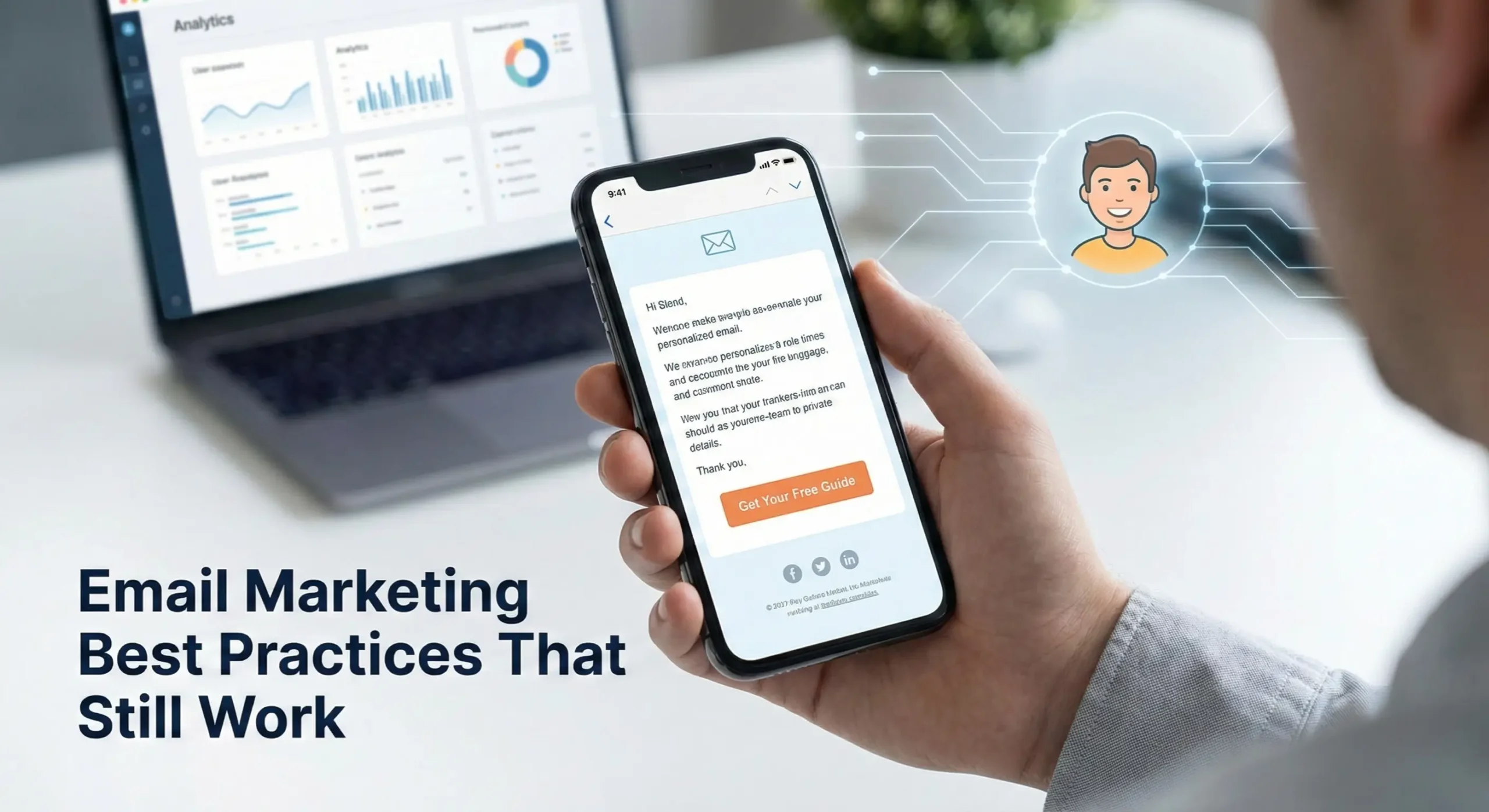
Statistics show that more than half of all emails are opened on mobile devices. If your email is not optimized for a small screen, you are alienating half of your audience. This means using a single-column layout, large fonts, and buttons that are easy to tap with a thumb.
Keep your paragraphs short. Two or three lines per paragraph is the sweet spot for readability. Use clear headings to break up different sections of the email so that skimmers can find the information they need quickly.
Internal linking suggestion: mobile responsive email design tips
Advanced Segmentation and Personalization
The one-size-fits-all approach to email is dead. If you are sending the same message to a twenty-year-old student and a sixty-year-old executive, you are likely missing the mark with both. Segmentation is the process of dividing your list into smaller groups based on specific criteria.
This could be based on demographics, purchase history, or how they interact with your previous emails. The more specific your segments, the more relevant your content becomes. Relevance is the primary driver of conversions in the modern inbox.
Behavioral Triggers and Automation
The most effective emails are those triggered by a user’s action. An abandoned cart email is a classic example. Because the user was just engaged with your brand, the reminder is timely and helpful rather than intrusive.
You can set up triggers for many different scenarios. If a user clicks a link about a specific topic in your newsletter, you can automatically add them to a sub-segment interested in that subject. This allows you to send them more of what they actually want, increasing the likelihood of a sale.
Using Data to Tell a Story
Data should inform your content, but it shouldn’t make your content feel robotic. Use the insights you have about your customers to tailor the narrative. If you know a segment of your audience is interested in sustainability, highlight your eco-friendly practices in the emails they receive.
Personalization goes beyond just inserting a name. it involves understanding the customer journey. Where are they in their relationship with your brand? A long-time loyalist should receive different messaging than someone who just signed up yesterday.
Common Mistakes That Kill Deliverability
Even the best content won’t work if it ends up in the spam folder. Deliverability is the technical side of email marketing that many people ignore until it becomes a problem. Your sender reputation is built over time based on how users interact with your emails.
High bounce rates, frequent spam complaints, and low open rates all tell email service providers that your content is not wanted. Once your reputation is damaged, it is very difficult to fix. You must be proactive about maintaining a healthy list and following technical protocols.
Ignoring List Hygiene
People change jobs, delete old accounts, and lose interest. This leads to dead weight on your list. If you continue to send emails to addresses that never open them, you are hurting your deliverability.
Perform a list cleanup at least twice a year. Send a re-engagement campaign to those who haven’t opened an email in six months. If they still don’t engage, remove them. It feels counterintuitive to delete subscribers, but your overall performance will improve because of it.
Overcomplicating the Design
Flashy designs with too many images often trigger spam filters and slow down load times. Some email clients block images by default, meaning your beautiful design might show up as a series of empty boxes.
A simple, text-heavy design often performs better because it feels more personal. It looks like an email from a friend rather than a corporate advertisement. Use images sparingly and always include alt-text so people know what the image is even if it doesn’t load.
Internal linking suggestion: technical email deliverability checklist
Actionable Best Practices for Immediate Results
If you want to see an improvement in your metrics this week, focus on the small details that make a big difference. These are the “quick wins” of email marketing that seasoned strategists use to move the needle.
Success in this field is about incremental gains. Testing, measuring, and refining your approach is the only way to stay ahead of the curve. What worked last year might not work as well today, so you must remain agile.
Implement A/B Testing Consistently
Never assume you know what your audience prefers. Test everything. Start with subject lines, then move on to call to action text, and finally the time of day you send. Only test one variable at a time so you know exactly what caused the change in performance.
A/B testing allows you to make decisions based on data rather than gut feelings. Over time, these small optimizations add up to significantly higher engagement rates.
Focus on a Single Call to Action
An email with too many choices often leads to no choice at all. This is known as decision paralysis. Every email should have one primary goal. Whether it is to read a blog post, buy a product, or sign up for a webinar, make it clear.
Your call to action should be prominent and use action-oriented language. Instead of “Click Here,” try something more descriptive like “Get Your Free Guide” or “Shop the Sale.” Ensure there is enough white space around the button to make it stand out.
The Future of Email Marketing and Final Thoughts
As we look toward the future, the integration of AI and machine learning will make hyper-personalization even easier. However, the core principles will remain the same. People will always value honesty, relevance, and human connection.
The brands that succeed are those that treat the inbox with respect. They don’t spam, they don’t trick, and they always provide more value than they ask for in return. Email marketing is not a sprint; it is a long-term relationship-building exercise.
In conclusion, stop looking for the latest “hack” or shortcut. The best practices that still work are the ones rooted in human psychology and technical excellence. Build your list organically, segment your audience, write for mobile users, and always put the subscriber first.
If you can master these fundamentals, your email marketing will continue to be a powerful engine for growth, regardless of what the next big digital trend might be. The inbox is a private space; if you are invited in, make sure you deserve to stay there.
Internal linking suggestion: advanced email marketing automation strategies